There are a few considerations you may have if you’re looking to install skylights in a new or existing home, and the type of glass being used is commonly high on this list. Which skylight glass types are out there, and which is right for you?
At Rocky Mountain Windows & Doors, we’re here to offer a wide range of skylight products and services for clients around Utah, including multiple high-quality glass options for various client needs and preferences. Here are some basics on each of the major skylight glass types available to you, plus how to make the right choice for your new skylight setup.
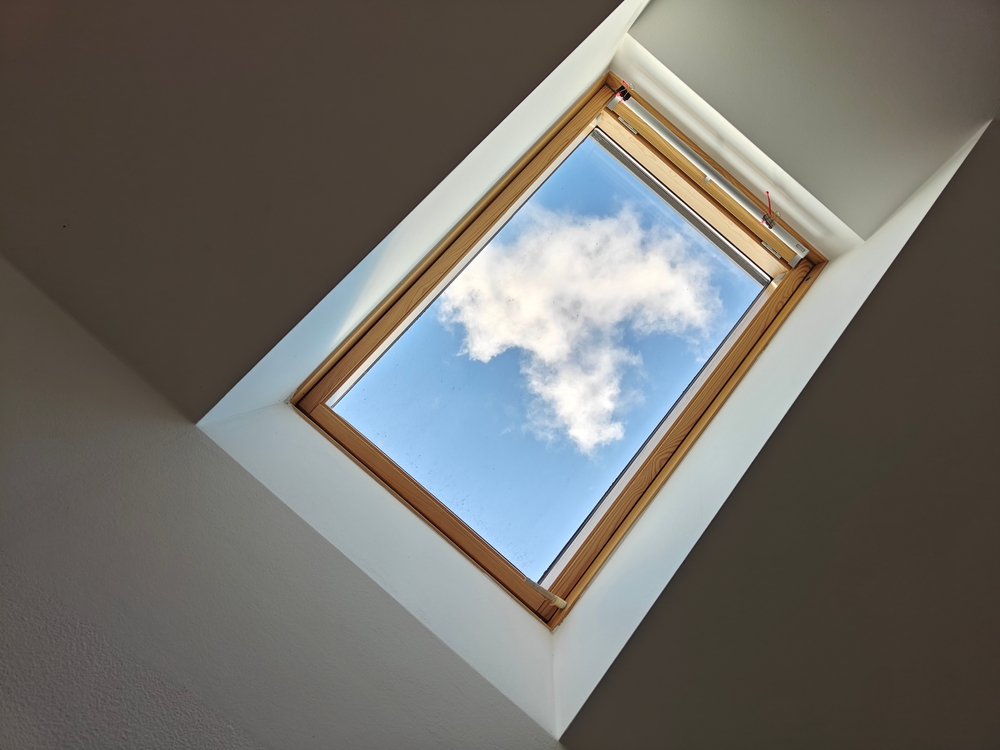
Basic Skylight Glass Types Explained
Here are some of the most common forms of skylight glass to consider for your needs:
Tempered
When we talk about tempered glass, we refer to a form of strengthened glass that goes through an additional heating and cooling process. This helps create a much more durable product, one that can withstand higher levels of wind pressure than standard glass. It’s also less prone to breakage or cracking in general.
For skylights, tempered glass is often a top choice since it can handle the elements better and provide more security. If you live in an area with extreme weather conditions, this type of glass may be the best option for your skylight setup.
Laminated
Another popular choice for skylight glass is laminated glass. This type of glass consists of multiple layers that are bonded together using heat and pressure. The result is a strong and durable product that can withstand impacts from debris or even forced entry attempts.
Laminated glass also has the added benefit of providing noise reduction, making it an ideal choice for those looking to reduce outside noise in their home or building.
Double Pane Glass
More and more often in recent years, double-pane glass, also known as insulated glass, has been used in skylights. This type of glass consists of two layers of glass with a sealed pocket of air or gas between them.
Not only does this provide extra insulation and energy efficiency, but it also helps to reduce condensation on the inside of the skylight during colder temperatures.
Triple Pane Glass
Taking that concept further, some skylight manufacturers are now offering triple-pane glass, which consists of three layers of glass with two sealed pockets of air or gas in between. This provides even more insulation and energy efficiency, making it a great option for those living in extreme climates.
In addition to its insulating properties, triple-pane glass also offers superior soundproofing compared to double-pane glass. This can be especially beneficial for those living in noisy areas or near busy roads. While triple-pane glass does come at a higher cost than double-pane glass, the long-term energy savings and improved comfort may make it worth the investment for some homeowners.
Other Methods of Improving Skylight Glass Efficiency
In addition to choosing the right skylight glass type, here are some basic tips for efficient skylights in any home:
- Coatings: From low-E coatings to tinted and reflective options, there are various coatings that can be applied to skylight glass to improve energy efficiency. These coatings can help reduce heat gain during the warmer months and retain heat during colder months.
- Proper Installation: Proper installation of skylights is crucial in achieving optimal energy efficiency. Improper installation may result in air leakage, leading to drafts and decreased efficiency. It’s important to have a professional install your skylights to ensure they are properly sealed and insulated.
- Shades or Blinds: Installing shades or blinds on skylights can provide an extra layer of insulation and control over the amount of light entering a room. They can also block out unwanted heat or glare.
- Insulation: Skylights can also be insulated to prevent heat loss in the winter and heat gain in the summer. This can be done through the use of double or triple-pane glass, low-emissivity coatings, and gas-filled chambers.
- Maintenance: Proper maintenance of skylights is crucial in maintaining their energy efficiency. Regularly cleaning the glass and checking for any cracks or leaks will ensure they are functioning at their best.
Durability and Safety
How do common skylight glass types like tempered, laminated, and double- or triple-pane glass handle impact resistance and other durability risks like weather or temperature fluctuations?
Different types of skylight glass have varying levels of durability and safety when it comes to impact resistance and other risks, such as weather or temperature fluctuations. Here is a breakdown of how each type typically handles these factors:
- Tempered Glass: This type of glass is known for its strength and ability to withstand impacts. It goes through a heating and rapid cooling process that makes it up to five times stronger than regular glass. In the event of an impact, tempered glass will shatter into small, round pieces rather than sharp shards, making it less likely to cause injury.
- Laminated Glass: This type consists of two or more layers of glass bonded together by a plastic interlayer, usually made of polyvinyl butyral (PVB). The interlayer holds the glass together in case of breakage, preventing it from shattering and creating a “spider web” pattern instead. This type is commonly used in car windshields and buildings that require security.
- Insulated Glass: Also known as double or triple pane glass, this type consists of two or three panes of glass separated by an air or gas-filled space. The extra layer(s) provide thermal insulation and reduce noise transmission, making it ideal for windows in colder climates.
As you can see, there are several skylight glass types that may be used in your home, each with different qualities in terms of energy efficiency, durability, comfort, and aesthetics. At Rocky Mountain Windows & Doors, we’re proud to offer the best skylight products around Utah – contact us today to learn more about these or any of our other door and window products!