
A few specific processes may be used for new windows you’re installing in your home, and one of the most well-known and commonly beneficial is glazing. Glazing helps to improve the energy efficiency of your home, reduce outside noise levels, and increase the overall durability of your windows. How can you choose the right glazing for specific corner windows you’re looking to install?
At Rocky Mountain Windows & Doors, we’re here to offer a wide range of window replacement services for clients around Utah, including corner windows and other varieties. Here’s a primer from our team on the different corner window glazing options out there and the key areas where they may impact your needs, plus how to make the ideal choice for any corner window installation.
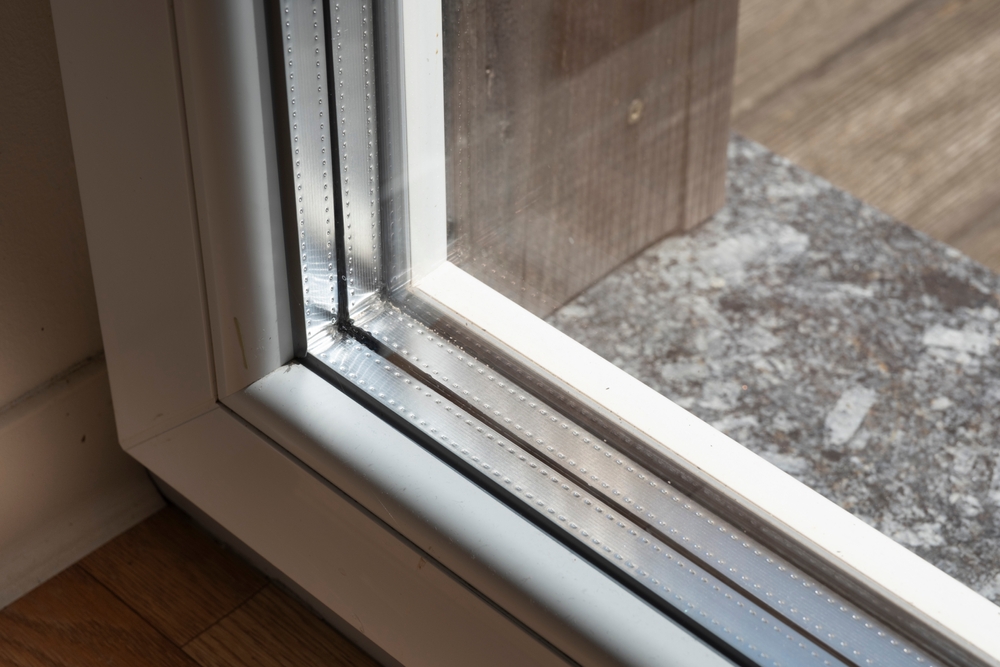
Window Glazing Types
Here are the most common types of window glazing you should be keeping in mind for your corner windows:
Single
The most common type of window glazing, single-pane glass, is just one layer of glass that’s installed in a frame. This is the most economical option when it comes to corner windows, but it does have some drawbacks. Single-pane glass provides minimal insulation and can easily transmit heat or cold into your home.
Double
Double-glazed windows are made up of two layers of glass with an air pocket in between them. This additional layer provides better insulation than single-pane glass and can help reduce energy costs. However, double-glazed windows may not be as effective in extreme climates.
Triple
A more recent innovation in window technology, triple-glazed windows have three layers of glass with two air pockets in between. This provides even better insulation than double-glazed windows and can significantly reduce energy costs. However, they may be more expensive than single or double-pane options.
Specialty Glass
There are also certain specialty forms of glass that include nuanced glazing. Low-E glass is a good example, as it has a coating that reflects heat back into the room, preventing it from escaping through the window. This can be especially beneficial in colder climates.
Another type of specialty glass is tinted glass, which can help reduce glare and UV rays while also providing privacy. Tinted glass is often used in commercial buildings or homes with large windows that receive a lot of direct sunlight.
Impact of Glazing on Thermal Performance
Window glazing plays a crucial role in the thermal performance of a building. As previously mentioned, windows can be a major source of heat loss in colder climates and heat gain in warmer climates. By choosing the right type of glazing for your climate, you can greatly improve your building’s energy efficiency.
In addition to reducing heat loss or gain through the window, glazing also affects the amount of natural light that enters a building. This can have an impact on both energy usage and occupant comfort. For example, large amounts of natural light can reduce the need for artificial lighting during the day, saving energy costs. However, if too much sunlight enters a space, it can cause discomfort and increase cooling needs.
Safety and Strength Concepts for Corner Windows
When considering corner window glazing options in particular, safety and strength are especially notable factors to consider. Unlike traditional windows, corner windows are exposed to more stress due to their unique shape and placement in a building.
One important factor to consider is the type of glass used for the window panes. Tempered or laminated glass is recommended for its increased strength and safety features compared to regular annealed glass. In particular, tempered glass is known for its resistance to impact and can be up to five times stronger than regular glass. Laminated glass, on the other hand, consists of two or more layers of glass bonded together with an interlayer film, which provides additional strength and safety benefits.
Another consideration is the frame material used for corner windows. Common materials include wood, aluminum, and vinyl. Each material has its own advantages and disadvantages, such as wood being aesthetically pleasing but requiring more maintenance, aluminum being strong and durable but prone to corrosion, and vinyl being low maintenance but less durable.
Glazing’s Aesthetic Impact on Corner Windows
Glazing is also an aesthetic consideration for corner windows, including in several key areas:
- Clarity: The level of clarity or transparency in the glass can impact how much natural light enters the room and how well one can see through the window. Different types of glazing, such as clear, low-e, or frosted, can have varying levels of clarity.
- Reflectivity: Glazing can also have different levels of reflectivity depending on the type and quality used. Highly reflective windows may provide a modern look but could also create glare and obstruct views.
- Color: Some glazing comes in different colors or tints, which can affect the overall aesthetic of corner windows. For example, blue-tinted glass may give off a cool, futuristic vibe while green-tinted glass may evoke a natural, earthy feel.
- Modern design appeal: Glazing helps achieve a modern, sleek look for corner windows. The use of larger panels and minimal frames can create an open and airy feeling, allowing natural light to flood the space.
At Rocky Mountain Windows & Doors, we’re proud to offer the best corner window options available around Utah, plus various glazing methods to meet your every need. For more on this or any of our door products and services, contact us today!